Macau Font: A Whimsical Display Typeface for Makers
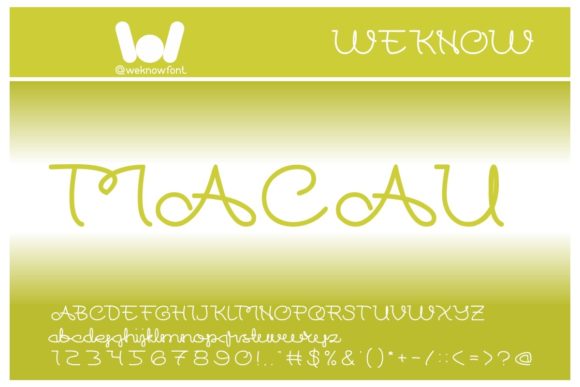
Some fonts just smile at you. Macau is one of those rare finds—a display font that brings an instant sense of charm and playfulness to any project without ever feeling childish or sloppy. As someone who designs physical products, printable downloads, and custom stationery every single day, I’m always looking for typefaces that feel intentional and full of personality. Macau delivers exactly that. Its letterforms dance with a quirky, almost storybook quality, yet remain clean enough to be genuinely readable on product labels, stickers, and signage.
The first time I dropped Macau onto a mockup for a candle label, I actually stopped and smiled. The rounded terminals, the subtle bounce in the baseline, the way certain characters have flirtatious little tails or unexpected curves—it all comes together to create something that feels handcrafted and whimsical, but with a professional polish that holds up under scrutiny. It’s the kind of creative font you can build an entire product line around, whether you sell nursery wall art, wedding invitations, boutique hang tags, or seasonal merch.
Understanding the Visual Personality of Macau
Macau isn’t loud or aggressive. It doesn’t shout from the shelf with blocky, heavy strokes. Instead, it invites people in. The typeface has a soft, organic rhythm that feels almost hand-lettered, yet every character has been designed with consistency in mind. There’s a gentle irregularity that gives it a human touch—something that machine-perfect fonts sometimes lack. This quality alone makes it invaluable for handmade sellers who want their products to feel personal and warm.
When I examine the letterforms closely, I notice how the ascenders stretch just enough to feel airy, while descenders curl with a subtle flourish. The x-height tends to stay generous, so even at smaller sizes on a product tag, the words remain clear. This font excels at creating an emotional bridge between the maker and the buyer. Something as simple as a greeting card or a set of pantry labels suddenly carries a voice—friendly, approachable, and a little bit magical.
Where Macau Truly Shines in Craft and Product Design
As printable creators and small shop owners, we need versatility without sacrificing impact. I’ve tested Macau across a huge range of surfaces and products, and it consistently impresses. It works beautifully for short, meaningful phrases—names on custom jewelry cards, “thank you” on order inserts, product names on candle vessels, or header titles on planner pages. While it’s primarily a display font, I wouldn’t recommend it for lengthy paragraphs of body text; its whimsical character can tire the eyes in dense blocks. But for decorative wording, titles, and focal-point text, it’s an absolute star.
Labels, Stickers, and Packaging That Tell a Story
One of my favorite applications is small-batch product labeling. Picture a round kraft sticker on a honey jar. Now imagine the word “Wildflower” set in Macau, centered beautifully. The font’s organic curves echo the natural texture of the paper, making the entire package feel cohesive and premium. For soap makers, candle pourers, or spice blend artisan sellers, using Macau on ingredient labels or product names can instantly elevate brand identity. The font adds personality without overwhelming the product’s own aesthetic, making it easier to maintain a consistent look across a full catalog.
When creating stickers for planners or laptop decals, I always pay attention to how the font cuts on a Cricut or Silhouette machine. Macau’s strokes are thoughtfully balanced—not so thin that they tear during weeding, and not so thick that they blob together. The smooth connections and open counters help small details survive the blade. I still recommend doing a test cut first, especially at very small sizes, but in general, the font weaves nicely and releases cleanly from vinyl.
Invitations, Cards, and Event Stationery
Wedding stationery designers will fall hard for Macau’s romantic yet playful edge. Try using it for the couple’s names on an invitation suite, or for directional signs at a rustic outdoor reception. The font carries a slight script font energy without actually being a connected calligraphy face, which means you can pair it seamlessly with an elegant handwritten font or a clean sans serif font for supporting details. I recently used Macau for a birthday invitation aimed at a six-year-old’s garden party. The header “You’re Invited” looked enchanting when printed on plantable seed paper, and the parents couldn’t stop complimenting the design.
Greeting cards are another playground. A simple “hello” or “miss you” on the front can feel like a warm hug. Because Macau holds its charm at larger sizes, it’s perfect for bold sentiment cards where the word is the hero. Combine it with a delicate foil or embossed texture, and you’ll have a product that stands out in any boutique or craft fair.
Wall Art, Signs, and Home Décor
Farmhouse signs, nursery name prints, and inspirational quote boards all benefit from a display font like Macau. The font’s whimsy fits effortlessly into boho, cottagecore, or whimsical interior styles. I’ve seen small shop owners use it for wooden round signs that read “Breathe” or “Home.” When painted or cut from permanent vinyl, the letters retain their playful energy without looking messy. For printable wall art sold as digital downloads, Macau helps create instant emotional appeal—someone scrolling through Etsy sees a soft, dreamy quote rendered in this font and feels a connection. That emotional pull is what turns a browser into a buyer.
Practical Readability Across Mediums
Any creative font must prove itself in the real world, not just look good on a screen. I’ve printed Macau on textured cardstock, glossy sticker paper, clear acetate, and even heat-transfer vinyl on tote bags. Each time, the results were consistent. The key is to choose the right size. For product labels under two inches wide, I stick to the main product name in Macau and use a complementary simple serif font or sans serif for smaller details like weight or ingredients. This hierarchy maintains readability while still showcasing the font’s personality.
On screen, in mockup previews, Macau compresses beautifully into listing images. When I create digital mockups for my printables shop, I always enlarge the main title, and Macau fills that space with character. It doesn’t blur at thumbnail sizes, which is crucial for Etsy search results. That clarity can mean the difference between a click and a scroll-past.
Font Pairing Ideas for Macau
A display font this expressive deserves thoughtful companions. The goal is to highlight Macau’s whimsy while keeping the overall design legible and balanced. Here are some pairing strategies that have worked beautifully in my own projects:
- Macau + Clean Sans Serif: Pair Macau’s playful curves with a structured, geometric sans like Montserrat or Lato. Use Macau for the headline or name, and the sans for descriptions, dates, or shop URLs. This combination works wonders for wedding invitations, product packaging, and event signage.
- Macau + Light Serif: A delicate serif like Playfair Display can add a touch of formality. I love this duo for baptism certificates, memorial cards, or heritage-inspired product lines. The contrast between Macau’s fanciful shapes and the serif’s classic lines creates visual interest without competition.
- Macau + Simple Handwritten Font: If you want to lean into the handmade aesthetic, pair Macau with a casual, monoline script. Use Macau for the primary message and the script for accents like “est. 2025” or location details. This pairing feels incredibly cohesive for farmhouse signs and cozy lifestyle brands.
When choosing pairings, always test them together on your actual product. A font that looks stunning in a desktop document might feel too light or too heavy once printed on a textured label. Macau’s moderate stroke width makes it forgiving, but adjusting letter spacing and size ratios can fine-tune the final look.
Working with Cutting Machines and Digital Design Tools
If you’re a Cricut or Silhouette user, you know the anxiety of a delicate weeding session. Macau has been surprisingly cooperative. The letters have a consistent thickness that rarely collapses under the blade. For intricate cuts, I recommend welding any connected script-like flourishes or overlapping shapes in your design software before sending to cut. If the font includes alternates or ligatures—and many premium fonts do—explore those to customize the look further. Swapping in a stylized “k” or a looping “y” can turn a simple sticker into a signature piece.
I always check the file formats when I purchase a new commercial font. Macau typically comes in user-friendly formats like OTF or TTF, which install seamlessly on both Windows and Mac. Some versions may include web font files for those who need social media graphics or web design use. If multilingual support is important for your customer base, verify that the font includes the necessary accented characters. This can be a huge selling point if you offer printable products to international buyers.
The Commercial Side: Licensing, Branding, and Selling with Confidence
Nothing stalls a small business faster than licensing confusion. Macau, like many quality design assets, often includes a standard commercial license that covers physical products, packaged designs, and digital downloads. Still, always double-check the specific terms from the creator. Can you use it on print-on-demand items like mugs, shirts, and tote bags? Usually, yes. Can you embed it in a logo design or sell editable templates that include the font file? Often yes, but you might need an extended license for digital distribution of the raw font.
For Etsy sellers and handmade business owners, peace of mind is worth the extra minute of reading. Using Macau for packaging design, product labels, sticker sheets, or framed signs typically falls under permitted use. If you create digital planners, editable party invitations, or SVG-style designs for other crafters to use, confirm that the license allows derivative works. Many font designers are maker-friendly and clearly state these permissions. Once cleared, you can build an entire brand identity around Macau’s distinctive feel—turning a single font purchase into a recognizable style that customers associate with your shop.
Macau doesn’t just make your products look cute. It adds a layer of perceived quality that buyers notice. When your candle labels, thank-you cards, and social media posts all share that same whimsical thread, you create trust. Customers begin to recognize your work instantly in a crowded marketplace. That kind of consistency, powered by a well-chosen display font, is one of the most undervalued tools a small shop owner has.
In the end, Macau earns its place in my font library because it bridges the gap between pure art and usable design. It’s fanciful but not fragile. It demands attention without shouting. Whether I’m designing a set of monthly milestone baby cards, a seasonal mug wrap, or a custom wooden sign for a nursery, this font helps me tell the story I want my products to tell. And that’s a priceless advantage for any creative business.